Archives for category: Brooklyn

Pasta-Fagioli-14

This is the first in a series of guest blog posts. This week I’m delighted to introduce Jill Ulicneya Brooklyn-based photographer and food lover. You can find her latest photos and drawings at jillieu.tumblr.com and at Instagram via @jillieu.

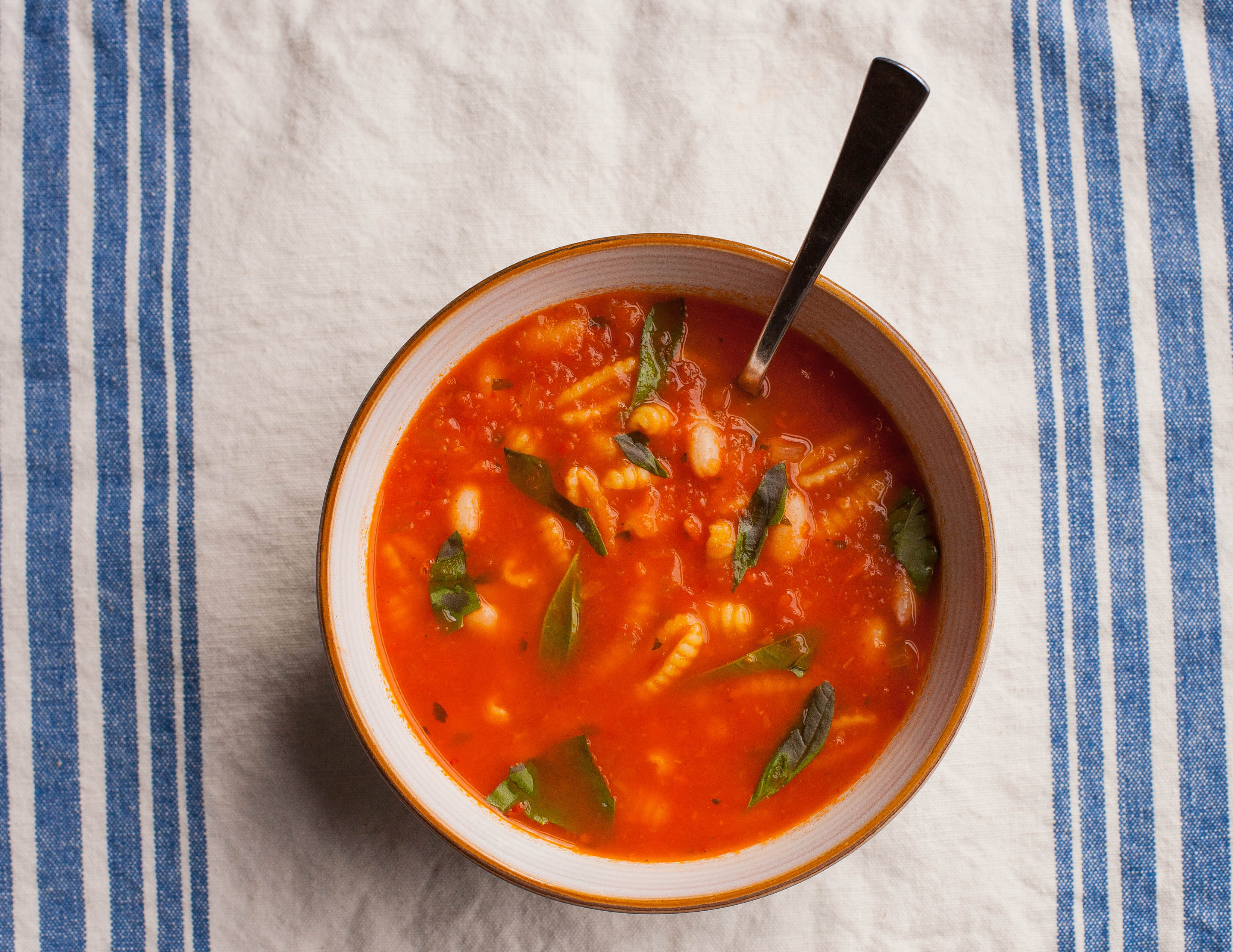
There used to be a wonderful Italian cafe on Bleecker Street named Scali, which I would frequent for its incredible vegetarian pasta e fagioli soup. Six dollars would get me a generous serving of steaming hearty tomato, white bean, and pasta goodness along with a crusty piece of bread. Since they closed in 2012, I haven’t found a better lunch deal nor have I found a pasta e fagioli that compares to theirs.

Now that winter is here in New York, I’ve been dreaming about a reunion with this soup. After researching, I found countless methods for pasta e fagioli, but nothing that sounded quite like Scali’s version. This is my attempt to recreate my old favorite.

Note: many recipes suggest cooking the pasta in the soup. I chose to cook it separately because I didn’t want the pasta to absorb too much liquid since I prefer a brothy soup.

Pasta e Fagioli

40 minutes
Serves 6

Ingredients

2 tablespoons olive oil
1 large onion chopped
4 cloves garlic chopped
1 medium carrot chopped
1 small rib of celery chopped
1 bay leaf
1 28-ounce can of whole peeled tomatoes
4 cups vegetable stock
1 teaspoon crushed red pepper flakes
1 teaspoon dried Italian parsley
5 fresh basil leaves torn
1 15-ounce can of white beans
12 ounces small pasta, like malloreddus or ditalini
Parmesan (optional)
Salt
Pepper

Soup Directions

Heat a large pot with two tablespoons olive oil.
Add onion, garlic, carrot, celery and bay leaf to the pot. Season with salt and pepper and cook for five minutes on medium heat or until onion is tender.
Add canned tomatoes (do not drain), vegetable stock, red pepper flakes and dried parsley and stir to combine.
Bring to a boil over high heat, stirring occasionally.
Remove bay leaf (do not discard) and use immersion blender to blend ingredients to preferred smoothness.
Return bay leaf back to the mixture and add basil leaves and white beans.
Cover and simmer for 10 minutes.

Pasta Directions

Fill a medium pot with water and set to high heat.
When the water begins to boil, “salt it like the sea” as my pasta nerd friend says.
Add the pasta and cook until pasta reaches preferred state
Drain the pasta.

To serve, place pasta in individual bowls and ladle the soup on top.
Grate some fresh parmesan over the soup and enjoy!

Pasta-Fagioli-3

IMG_4629

You may have heard the northeastern U.S. got hit with a snowstorm Thursday night and New York City was no exception. It wasn’t massive or anything, maybe 8 inches, but it was enough to quiet the city the way that snow does here—by night, almost no cars on the road save for some yellow cabs and black livery cars, and by day, parents with children and sleds in tow headed for the parks.

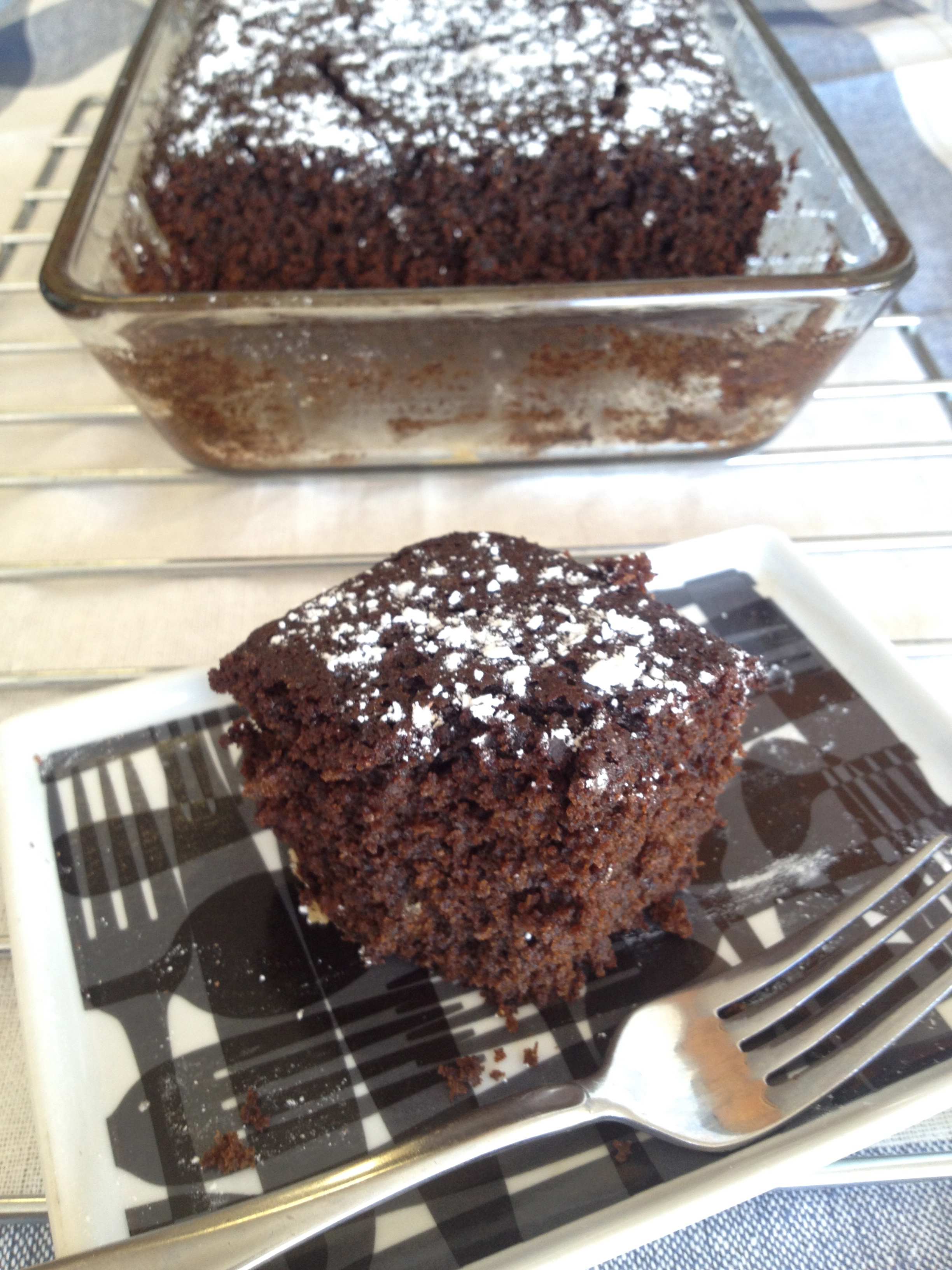
As luck would have it I had to work my monthly shift at the Park Slope Food Coop yesterday, and while there, packaging cheddars and enjoying the rare luxury of an empty coop (no lines!), I got inspired to make two favorite cold-weather foods: cheese fondue and gingerbread. A shift-mate told me she was planning to make a gingerbread cake with Guinness and I thought, that’s just the thing. A gingerbread made with stout and molasses.

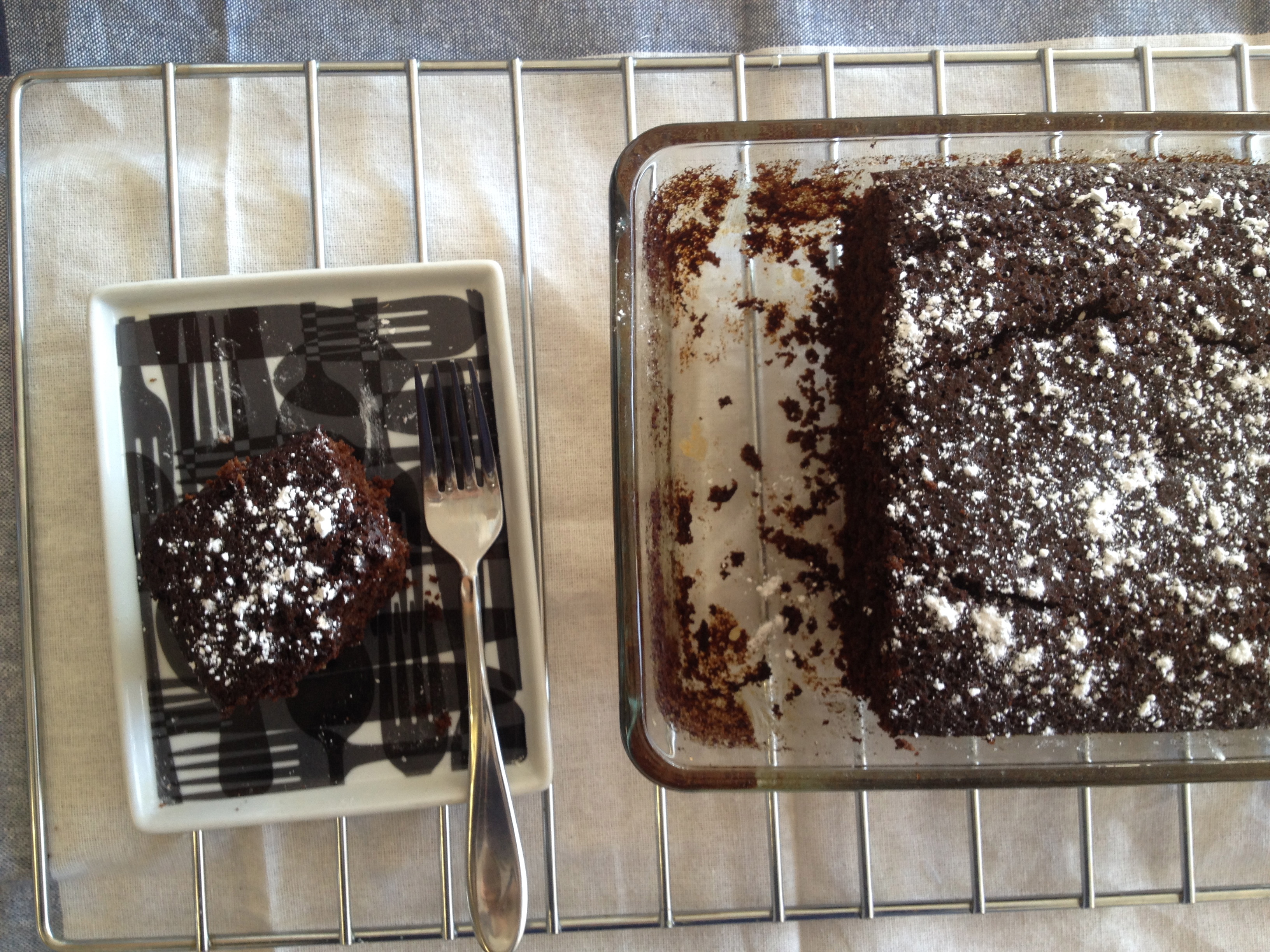
I found this recipe via the Smitten Kitchen blog, Claudia Fleming’s gingerbread from her days at Gramercy Tavern (but more recently of North Fork Table & Inn—I stayed there once, the breakfast was memorable). It produces a dark and stormy kind of gingerbread, with bite, not a timid cake. It’s intense and moody and spicy and just the way I like it. The original recipe called for 2 cups of sugar on top of the 1 cup of molasses, so of course I reduced this, leaving out 1 cup of sugar and I think it’s just right this way. I also don’t own a bundt pan so cooked this in a glass 9 x 9 inch dish which worked out just fine. The cooking time was 45 minutes. (Only thing is this recipe produces more batter than I could fit in that sized dish so I’m left with a little excess batter which I plan to make into gingerbread muffins later today.)

Oh and I finally joined twitter. Much to my surprise, having a blast. Follow me @laduelala. Tweeting and retweeting on all manner of #food #art #architecture #yoga.

Molasses Stout Gingerbread
Adapted from Claudia Fleming

1 cup oatmeal stout or Guinness Stout
1 cup dark molasses (not blackstrap)
1/2 teaspoon baking soda
2 cups all-purpose flour
1 1/2 teaspoons baking powder
2 tablespoons ground ginger
1 teaspoon ground cinnamon
1/4 teaspoon ground cloves
1/4 teaspoon freshly grated nutmeg
Pinch of ground cardamom
3 large eggs
1 cup sugar (either packed dark brown sugar or 1/2 brown sugar 1/2 maple syrup)
3/4 cup vegetable oil
Confectioners sugar for dusting

Accompaniment: Unsweetened whipped cream

Preheat oven to 350°F. Butter a bundt pan (or other baking dish) generously and dust with flour, knocking out excess.

Bring stout and molasses to a boil in a large saucepan and remove from heat. Whisk in baking soda, then cool to room temperature. Note: make sure saucepan is large because when the baking soda is added the mixture puffs up like a soufflé.

Sift together flour, baking powder, and spices in a large bowl. Whisk together eggs and sugars. Whisk in oil, then molasses mixture. Add to flour mixture and whisk until just combined.

Pour batter into your pan and rap pan sharply on counter to eliminate air bubbles. Bake in middle of oven until a tester comes out with just a few moist crumbs adhering, about 50 minutes in a bunt, 45 minutes in a 9 x 9 square dish. Cool cake in pan on a rack 5 minutes. Turn out onto rack and cool completely.

Serve cake, dusted with confectioners sugar, with whipped cream or vanilla ice cream. It’s also nice served with a cup of black tea.

Some say this gingerbread is better if made a day ahead.

IMG_4632

Photo below of the Christopher Wool exhibition at the Guggenheim Museum. It’s up til the 22nd of January.

IMG_4618

IMG_4249

Fall and baking go together like birthdays and cupcakes; Brooklyn and BAM; your right and left shoe. Or, turns out, pears and polenta.

As soon as the weather turns crisp I want to be in my kitchen on a Saturday with the oven on, music playing (well, really, NPR Saturday programming), and time on my hands to knead, stir, blend, bake. There’s something comforting and satisfying about making pies, cakes, and muffins using the last of the year’s good local produce.

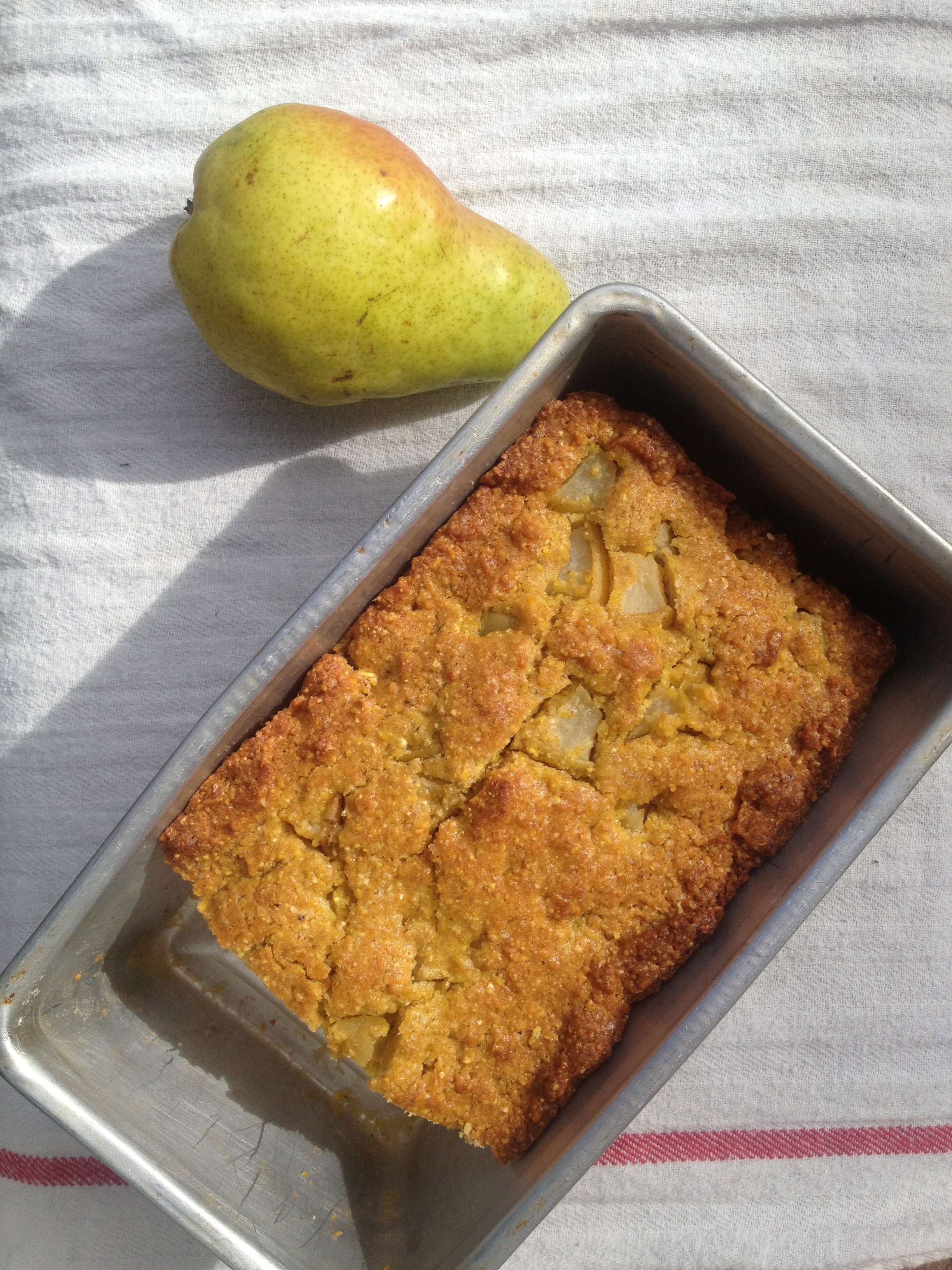
A few weeks ago I was at a dinner party and my lovely friend served this easy-to-make polenta-pear-olive oil cake. She couldn’t have known, but those are three of my favorite ingredients and the combination was a revelation. I’ve had olive oil cake before, and maybe even cornmeal olive oil cake, but never with the addition of pear. The olive oil produces a crispy crust-like top that provides a satisfying crunch.

The recipe is from Lucy Waverman—”the Melissa Clark of Canada” is how my friends, the dinner party hosts who are from Montreal, described her. She writes a regular column for The Globe and Mail newspaper and I’m happy to have discovered her simple and seasonal recipes!

This is a snap to make and you’re sure to love it. It’s not too sweet to begin with but you could even reduce the sugar a little bit like I did. Would also make great muffins, just reduce the cooking time. Oh and if you don’t want to poach your own pears you can use canned pears and just reduce the canned pear syrup.

IMG_4255

Polenta, Pear & Olive Oil Cake
From Lucy Waverman, The Globe & Mail

For the poached pears

1 cup water
½ cup sugar
¼ cup honey
1 star anise, broken up, optional
1 1-inch piece cinnamon stick
2 pears, peeled, quartered and cored

For the cake

1¼ cup polenta or cornmeal
¾ cup all-purpose flour [I used half whole-wheat flour and half white]
1 teaspoon baking powder
½ teaspoon salt
½ cup butter, softened
¼ cup honey
1/3 cup sugar [I used 1/4 cup sugar]
½ teaspoon vanilla
2 whole eggs plus 1 egg yolk
3 tablespoons olive oil

For the poached pears:

Combine water, sugar, honey, star anise and cinnamon stick in a small pot and bring to boil. Add pears. Simmer gently for 15 to 20 minutes or until tender and a knife slides in easily. Remove from heat and let cool in poaching liquid. Remove from pot, reserving ½ cup poaching liquid. Chop pears and pat dry with a paper towel.

Preheat oven to 325 F.

For the cake:

Butter and flour a loaf pan and line the base with parchment paper.

Combine polenta, flour, baking powder and salt in a bowl. Reserve.

Cream together butter, honey and sugar until light and fluffy. Add vanilla. Add eggs and yolk one at a time, beating well between each addition. Add reserved flour mixture and mix together until just combined. Stir in olive oil and fold in chopped poached pears.

Pour batter into prepared loaf pan and bake for 50 to 55 minutes or until a toothpick comes out clean. Cool on a wire rack for 10 minutes and remove from pan.

While cake is cooling, reduce reserved pear poaching liquid over medium heat for 5 minutes or until thick and syrupy.

Prick holes in warm cake and brush liberally with syrup.

This time last year I made these: Pumpkin Cinnamon Rolls and Rustic Harvest Tart.