Archives for category: Entertaining

Heirloom beans are romantic, beautiful, and actually good for the soil and your body. So what’s not to like?

So says Steve Sando, founder of Rancho Gordo, a farm based in Napa, California that grows heirloom beans and produce. I couldn’t agree more. I mean, even the names are romantic: Good Mother Stallard Beans, Jacob’s Cattle Beans, Eye of the Tiger Beans, European Soldiers, Red Nightfall, Yellow Indian Woman, Scarlet Runners, Rio Zape, and Black Valentines. Rancho Gordo is the big pinto in town. One of his most ardent fans is Thomas Keller, who uses the beans in all of his kitchens, from the French Laundry to Per Se.

Last week, with New Year’s Eve on the horizon, I decided to pull out the Rancho Gordo cookbook, Heirloom Beans, and see what Sando had to say about making a big pot of warm, hearty soup. Traditonally, in the southeastern United Stations anyway, it’s good luck to eat beans on New Year’s day, particularly black-eyed peas. For New Year’s Eve company, I settled on a spicy-sounding Caribbean black bean soup with roasted garlic and tomatoes. Just the thing to ring in the new year and warm up a cold night.

2012 is gonna be an excellent year, don’t you think?

Caribbean Black Bean Soup with Roasted Garlic and Tomatoes
Serves 4

6 garlic cloves, unpeeled
2 tbsp olive oil, plus more for drizzling
4 whole fresh or canned plum tomatoes, with juice
salt
1/2 lb black valentine or black beans, cooked, with reserved broth*
1/2 medium yellow or white onion, chopped
1 jalapeño pepper, chopped
1 medium carrot, chopped
1 1/2 tsp cumin seeds, toasted and ground
1 tsp dried oregano
1/2 tsp cayenne pepper
2 c chicken or vegetable broth**
freshly ground black pepper
sour cream, for garnish
1 avocado, pitted and sliced, for garnish
fresh cilantro leaves, for garnish

*I’d recommend cooking your beans by first soaking them for a minimum of 2 hours and maximum of overnight, covered with about 2 inches of water. (Actually first make sure you rinse them thoroughly and pick out any pebbles.) After soaking, pour the beans with their soaking water into a large pot, covered by about 1 inch of water (or stock). For flavor you can add a carrot, celery stalk, fennel bulb, onion, leeks, whole garlic cloves, black peppercorns, bay leaf, juniper berries, mustard seeds. You can also keep it simple and not add much. Just don’t add salt until after they’re cooked. Bring the beans and water to a boil then reduce heat to a simmer, with a partial lid, and cook until done, which can take as little as 1 hour or as much as 3 hours.

Preheat the oven to 400 degrees F.

Put the garlic cloves on a sheet of aluminum foil and drizzle with olive oil. Wrap the foil. Put the tomatoes in a baking dish, and if using fresh tomatoes, cut them in half and put them cut side down in the dish. Season with salt and drizzle with olive oil. Roast the garlic and tomatoes until soft, fragrant, and brown, about 20 minutes.

Meanwhile, put the beans and their broth in a soup pot and warm over low heat.

**I recommend making your own broth. For a quick vegetable broth I brought about 1 quart of water to a boil in a stock pot with 1 carrot, cut in half, 1 onion, also halved, 1 fennel bulb, halved, 1 celery stalk, halved, 1 clove of garlic, smashed, and a little satchel of spices: black peppercorns, mustard seeds, juniper berries, and cumin seeds.

In a medium, heavy skillet over medium-high heat, warm the olive oil. Add the onion, jalapeño, and carrot and sauté until fragrant and beginning to caramelize, about 10-12 minutes. Add the cooked vegetables, cumin, oregano, cayenne, and broth to the beans.

Peel the roasted garlic cloves; chop the garlic and tomatoes coarsely and add to the beans. Season with salt and pepper to taste. Bring to a simmer over medium-low heat and cook until the vegetables are soft and the flavors are blended, about 15 minutes.

Let the soup cool slightly, then transfer about half to a blender and blend until smooth. Return the soup to the pot and stir to combine. Season to taste. Serve the soup garnished with sour cream, avocado, and cilantro. Corn bread would make a nice side dish.

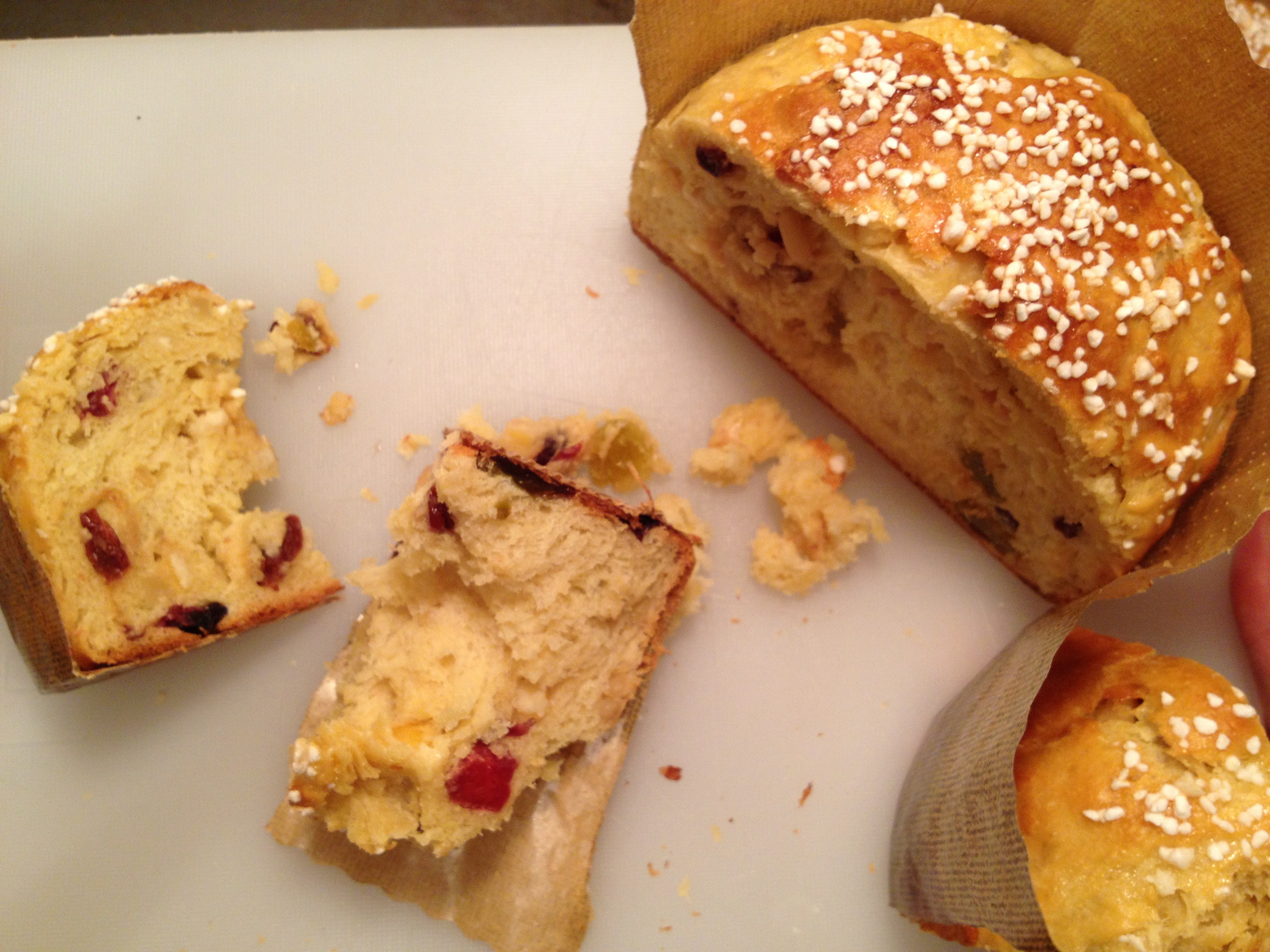
When I arrived in Rome in 2003 just after New Year’s the stores were stacked to the soffitto with bright red boxes of the sweet bread known as panettone. I had vaguely remembered seeing the stuff in Italian bakeries on Long Island growing up, and was pleased to discover this was not just a bastardized Italian-American tradition, but an Italian-Italian one as well. (Not that I don’t love me some eggplant parm and Sopranos.)

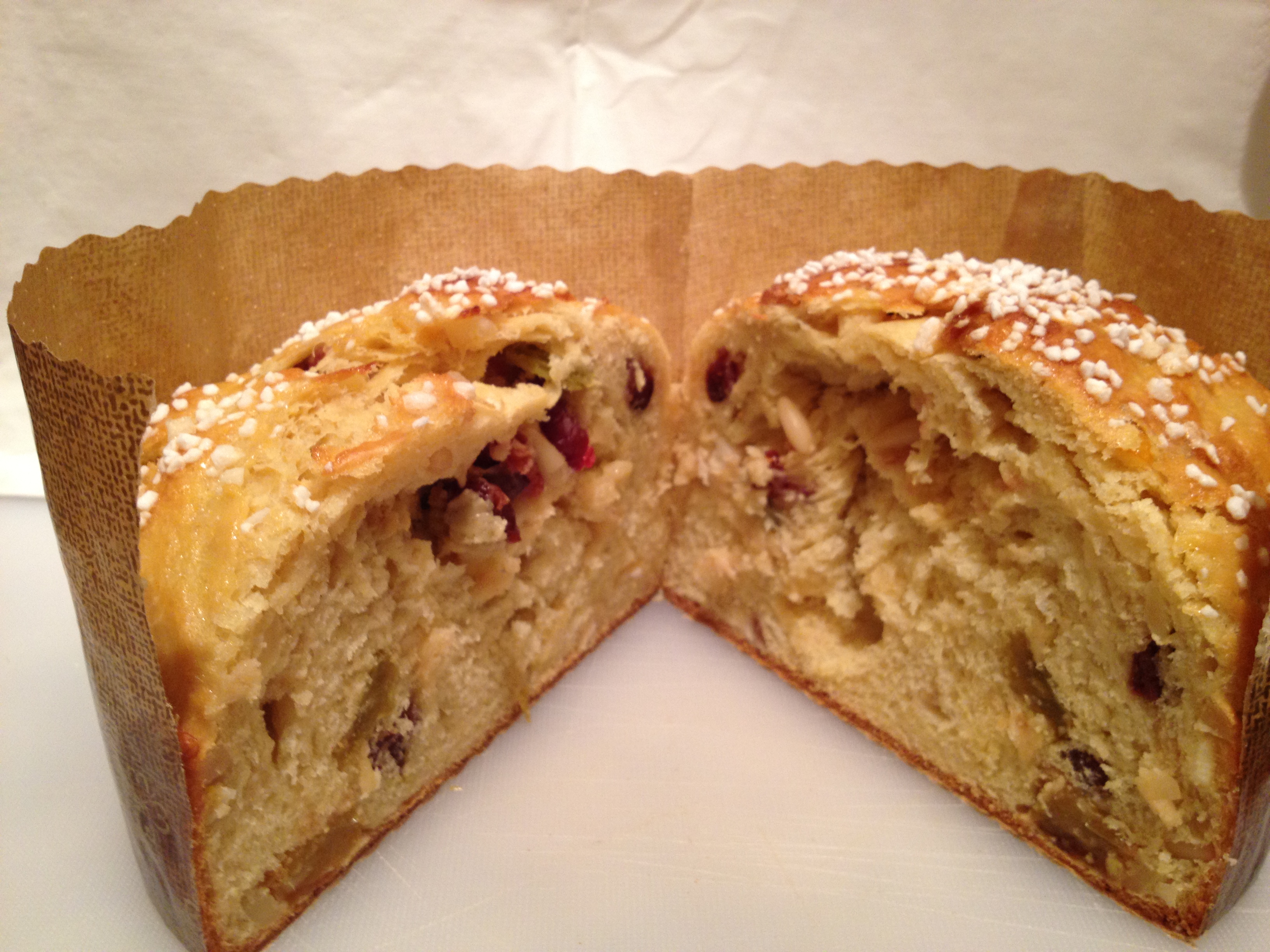
Originally a Milanese speciality, panettone is eaten in central and southern Italy – I think I even saw the stuff in stores in Rome circa Easter. The name comes from panetto – small loaf of bread – and one, which means large bread. Small bread, large bread, it is essentially a sweet, buttery bread filled with candied citrus fruits. It can be made with olive oil or butter, milk or not milk, and really any dried or candied fruits or nuts that make your heart sing.

My housemate Mark and I started a panettone-making tradition last year around the holidays and I’m pleased to report we’ve now completed our second annual bake-off. It takes at least two days to make panettone, due to the yeast dough that needs to rise and sleep overnight in the refrigerator. The following day, when it’s ready to bake, it needs to be removed from the fridge and left to rest for an additional hour and a half before going into the oven.

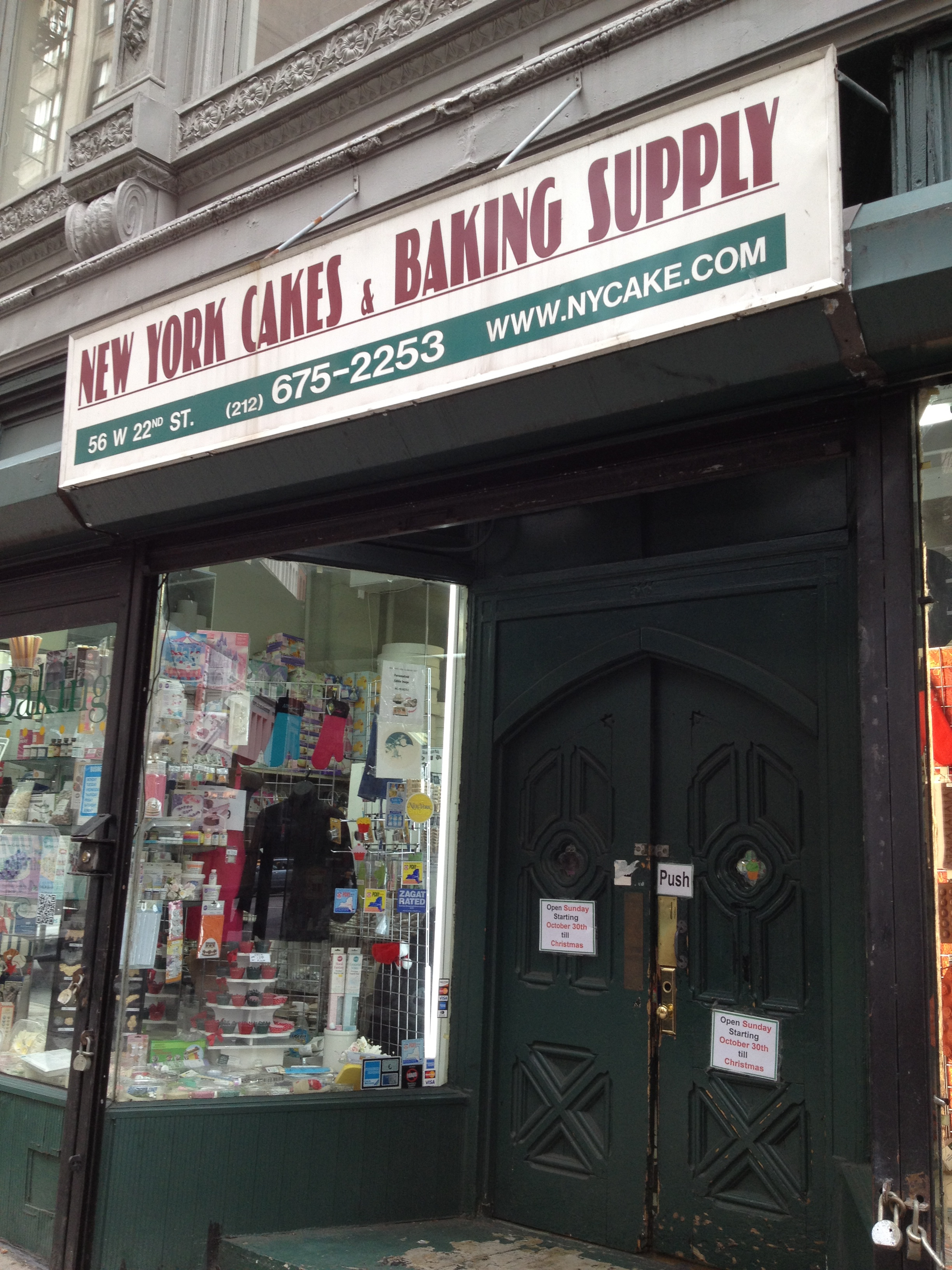
On a side note, this project required a field trip to the quintessentially NYC New York Cakes & Baking Supply on W. 22nd Street. A warehouse of baking supplies near the Flatiron building, this shop stocks edible gold leaves, cupcake molds, ten different kinds of frosting knives, an entire wall of sprinkles…you get the idea. This is where I picked up the pearl sugar that you sprinkle on top of the loaves, and the paper molds.

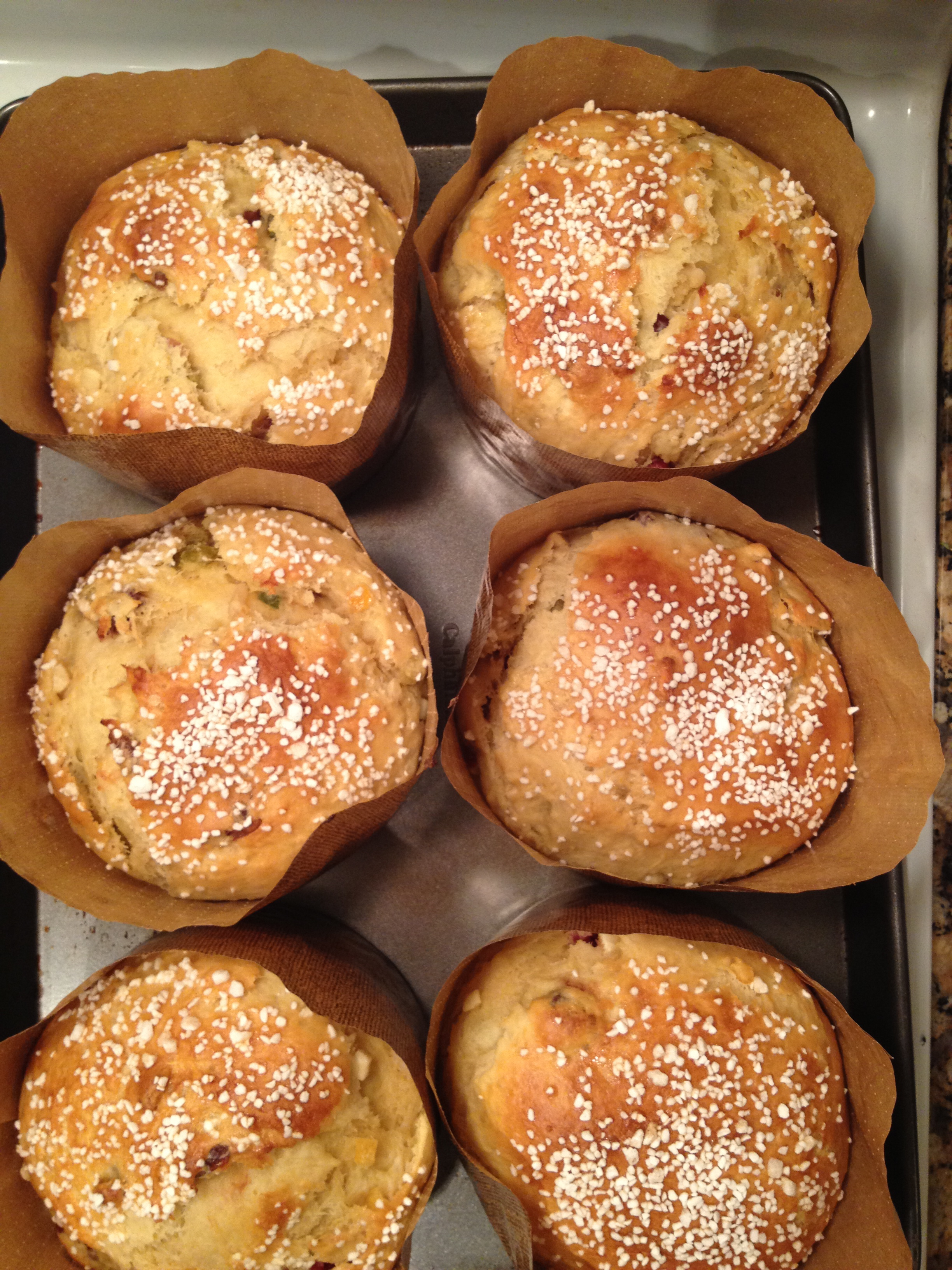
While it’s baking, the brioche dough gives off the most pleasing aroma of warmed butter and honey. I could hardly wait for one to cool before tearing off the outer paper and cutting a slice. It’s a new holiday tradition, for me anyway, and one that’s perfect to celebrate Christmas, Hanukkah, or New Year’s. By doubling the recipe below you will make twelve bejeweled little cakes, perfect to give away in the spirit of the holidays.

Panettone
Adapted from Artisan Bread in Five Minutes a Day by Jeff Hertzberg and Zoë François

1 1/2 cups lukewarm water
1 1/2 tablespoons salt
1/2 cup honey
1 1/2 cups (3 sticks) unsalted butter
2 packets active dry yeast
8 eggs, lightly beaten
7 1/2 cups unbleached all-purpose flour
2 c (approx.) candied or dried fruits and nuts, chopped and lightly dusted with flour (cherries, citron, raisins, pine nuts, pistachios, etc.)
Flour for dusting
Egg wash (1 egg beaten with 1 tbsp of water)
Pearl sugar

Yields 6 small, round loaves

1. In a saucepan over medium heat, dissolve the water, salt, and honey. In a separate saucepan, melt the butter. Combine the butter with the honey mixture and allow to cool slightly.

2. While the mixture is cooling, lightly beat 8 eggs in a medium bowl. Add the cooled honey-butter mixture to the bowl of a stand mixer, and add the beaten eggs. When the contents of the bowl are just warm to the touch, stir in the active dry yeast, and allow some of the granules to dissolve.

3. With the stand mixer on low, add the flour, alternating with the dried or candied fruits and nuts. The mixture will appear loose and wet. Cover with plastic wrap and let rise at room temperature for about 2 hours. Knock down if necessary, cover the bowl tightly, and refrigerate over night.

4. The next day, remove the dough from the fridge, and divide into six even pieces. Using plenty of flour, create rounded balls, and transfer to your baking mold (I like disposable round panettone molds, 5 1/4″ x 3 3/4″). Allow to rise in the mold for about 1 1/2 hours. Brush the tops with egg wash and sprinkle pearl sugar over the tops. Bake at 350 degrees F for approx. 30 minutes, or until golden on top, rotating the cakes in the oven about halfway through. Let cool completely before covering or storing.


What do you do if you live in New York City and have out-of-town guests for the weekend? You eat!

So many options, so little time. My top ten varies all the time—and depends of course on the visitor, the season, the budget, the food allergy—but will likely include at least a few of the following:

Russ & Daughters (or Katz’s)
Diner (or Dressler)
Sun-in-Bloom (esp. if a friend is vegan or gluten free)
ABC Kitchen
Blue Ribbon (Sushi or Bakery)
Prune
Di Fara Pizza (or Roberta’s)
Momofuku (pick your fave – Noodle Bar, Ko, Milk Bar, et al.)
Tarallucci e Vino
Al di Là

Other pit-stops might include Gimme Coffee, the Union Square Greenmarket, the Park Slope Food Co-op, or Babycakes Bakery.

This weekend was a flurry of out-of-towners, hailing from Boston, Zurich, Madison, Phoenicia, and Vermont. The weekend began with a late breakfast on Friday at Sun in Bloom in Park Slope. Hey, it’s good to start the weekend off healthy; it was all downhill from there.

You’re looking at gluten-free pancakes and a raw kale wrap with “live” sesame dressing. Both were delicious and way better than either may sound to you.

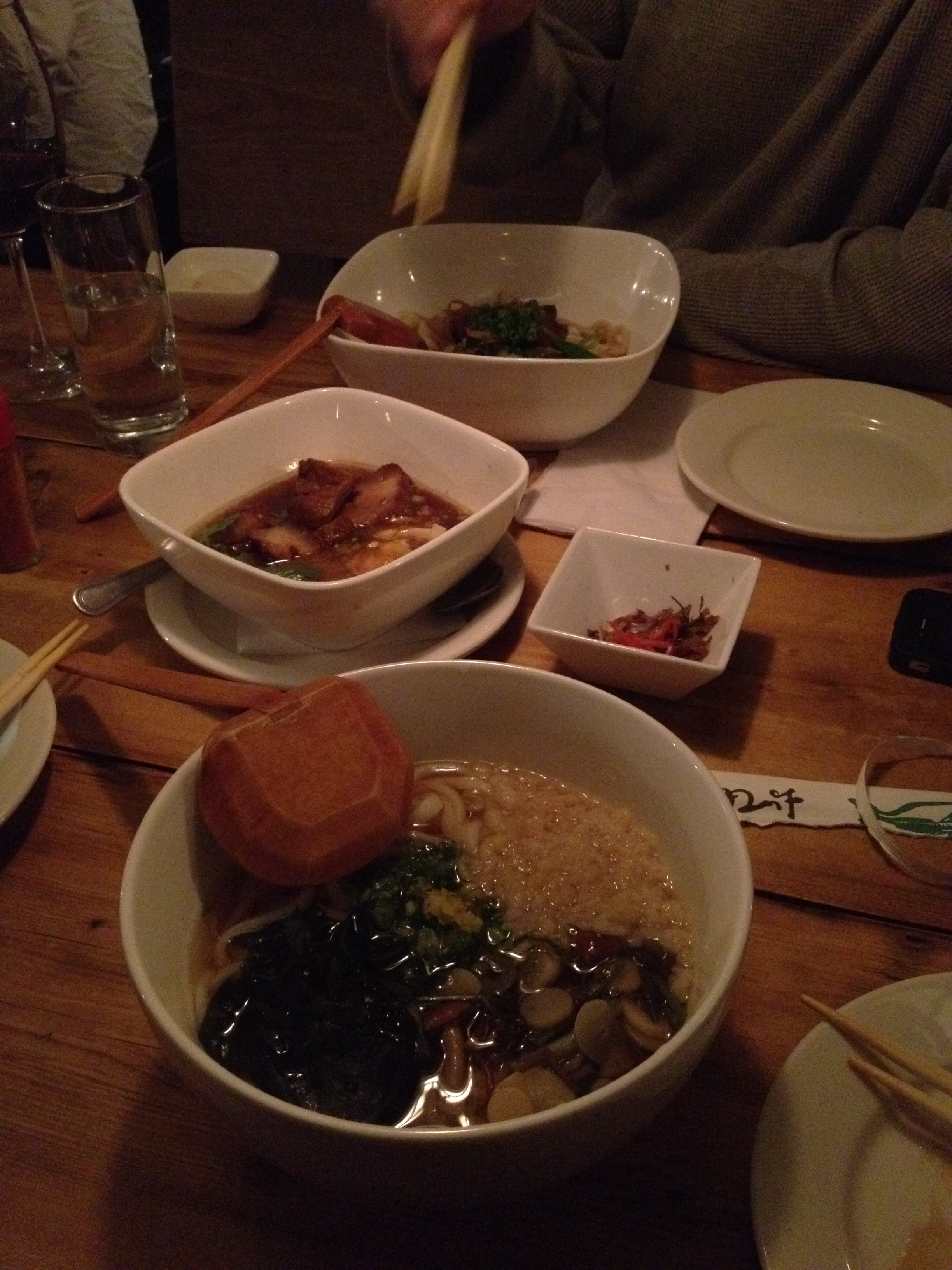
Friday night I finally got to try Samurai Mama in Williamsburg, a new udon joint brought to you by the owners of Bozu, which is just down the street from Mama on Grand. I had the vegetarian udon with wild edible Japanese plants. It was simple, not too salty, and the udon had an al dente chewiness that I liked. We also had flying fish jerky that was salty and chewy and basically perfect tapas food.

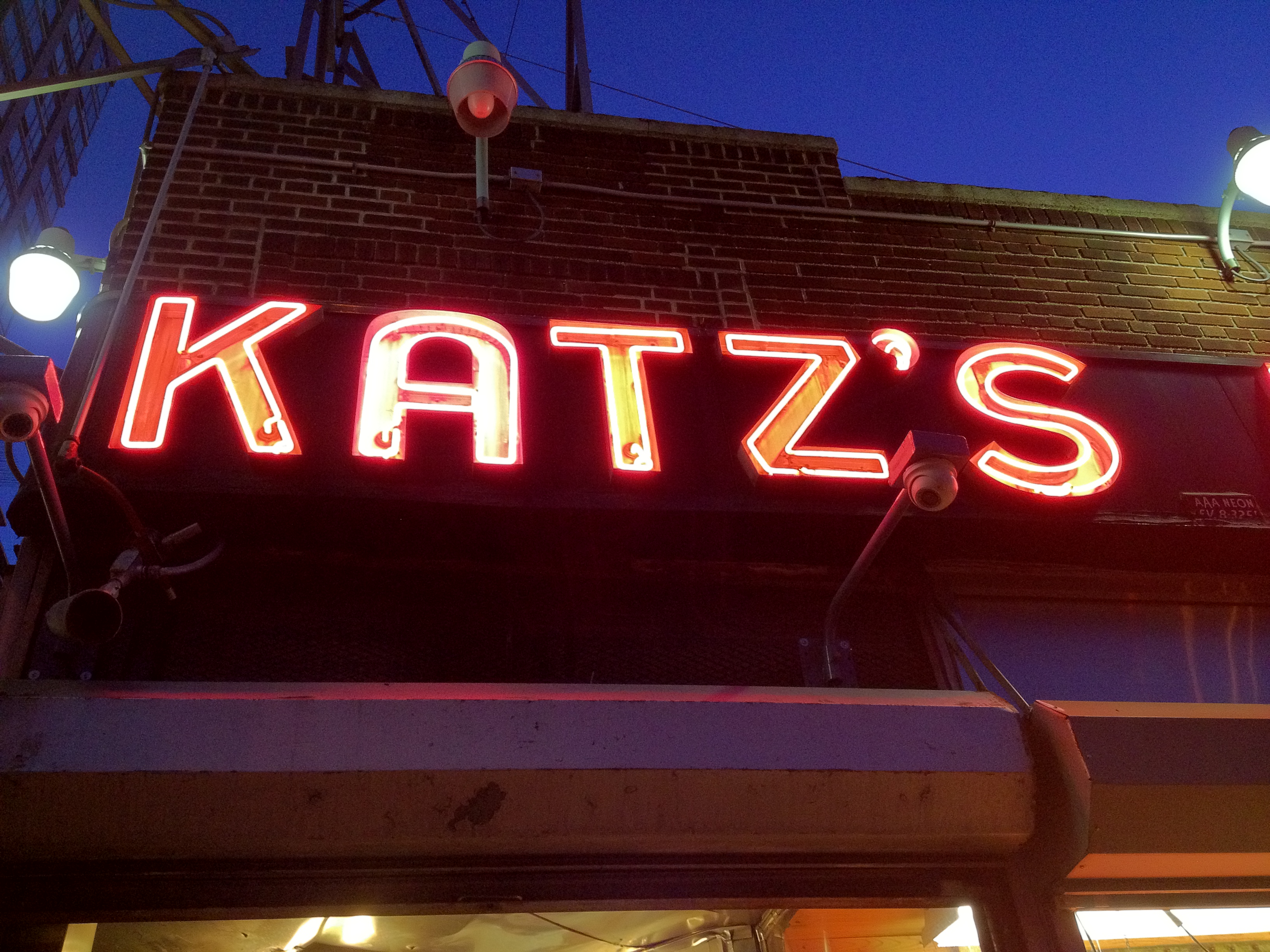
Saturday was a movie and Katz’s. Hugo in 3D to be exact and a post-cinema pastrami on rye. (Not Parisian bistro fare as the movie may have otherwise inspired.) Katz’s, for those of you unfortunate not to know, is one of New York City’s longest-standing Jewish delis, located on the Lower East Side since 1888. I hadn’t had one of their towering sandwiches in ages and I have to say, it was better than Mile End’s, where, you may remember, I bought pastrami on rye for my grandmother’s birthday earlier this year. Well this was worth every penny of the $15 sandwich. Throw in some sour pickles, matzo ball soup, and you’re in heaven. Or I’m in heaven.


After Katz’s I got on the F at 2nd Avenue to find this old New York City subway car sitting in the station. Apparently it’s a refurbished train—from the 1930s I believe—and it will be running on the M line next weekend for the holidays.

Sunday was a whole new day for eating and I had brunch with a bunch of old Cornell friends at Moutarde in Park Slope, across the street from my first apartment in Brooklyn. Later in the afternoon I went to a “gemuetlicher Advent” party at the home of a German couple, friends of mine, also in Park Slope. We ate delicious Stollen—the Christmas cake of Germany—and moon-shaped buttery cookies that to me tasted like Italian wedding cookies but perhaps they’re also German wedding cookies. Or German Advent cookies! For more on Stollen check out my friend Valerie’s post here. I’d love to try this recipe.

Dinner Sunday night was Japanese comfort food at Supercore in Williamsburg, an old favorite. Here’s some dried squid (I call it squid jerky), served with Japanese mayo.

And finally, feasting with the out-of-towners wrapped up this afternoon with my dad and stepmom who took me to lunch at ABC Kitchen. We all shared the roasted kabocha squash with ricotta and apple cider vinegar on toast; beets with homemade yogurt; pizza with mushrooms and a runny egg on top; and veal meatballs with bowtie pasta.

Not bad eh?