Archives for category: Summer

Omedetou Gozaimasu Japan! In case you haven’t heard, earlier today Japan won the World Cup for women’s soccer beating the first-ranked team USA in penalty kicks. It was a nail-biting game. Just when I’d think Japan was done for they’d come back to tie the game. They eventually won with Saki Kumagai scoring the third penalty kick on US goalkeeper Hope Solo.

Maybe it was Japan fever, or maybe it was the 90-degree heat, but it seemed like a good evening for zaru soba, or cold buckwheat noodles. Zaru is a bamboo strainer on which you serve cold soba noodles that are then dipped into a sauce called soba tsuyu, which is soy sauce, mirin, and bonito flakes. To the sauce I like to add scallions, shiso, and wasabi. Dip, slurp, delight.

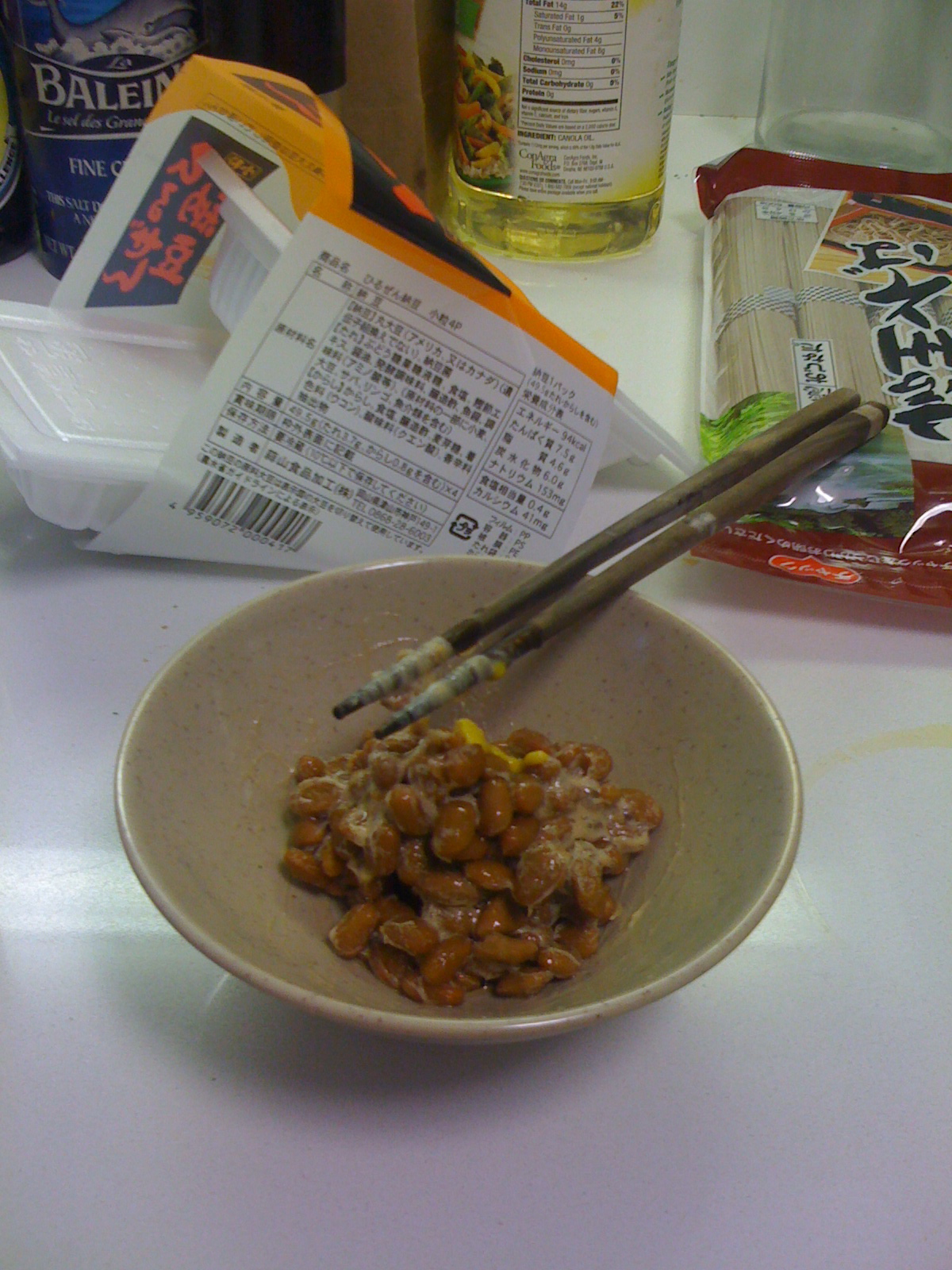
To round out the meal, there was edamame, boiled and salted, silken tofu with bonito flakes and soy sauce, and the fermented, smelly soy beans known as natto. Hm, a lot of soy I suppose.

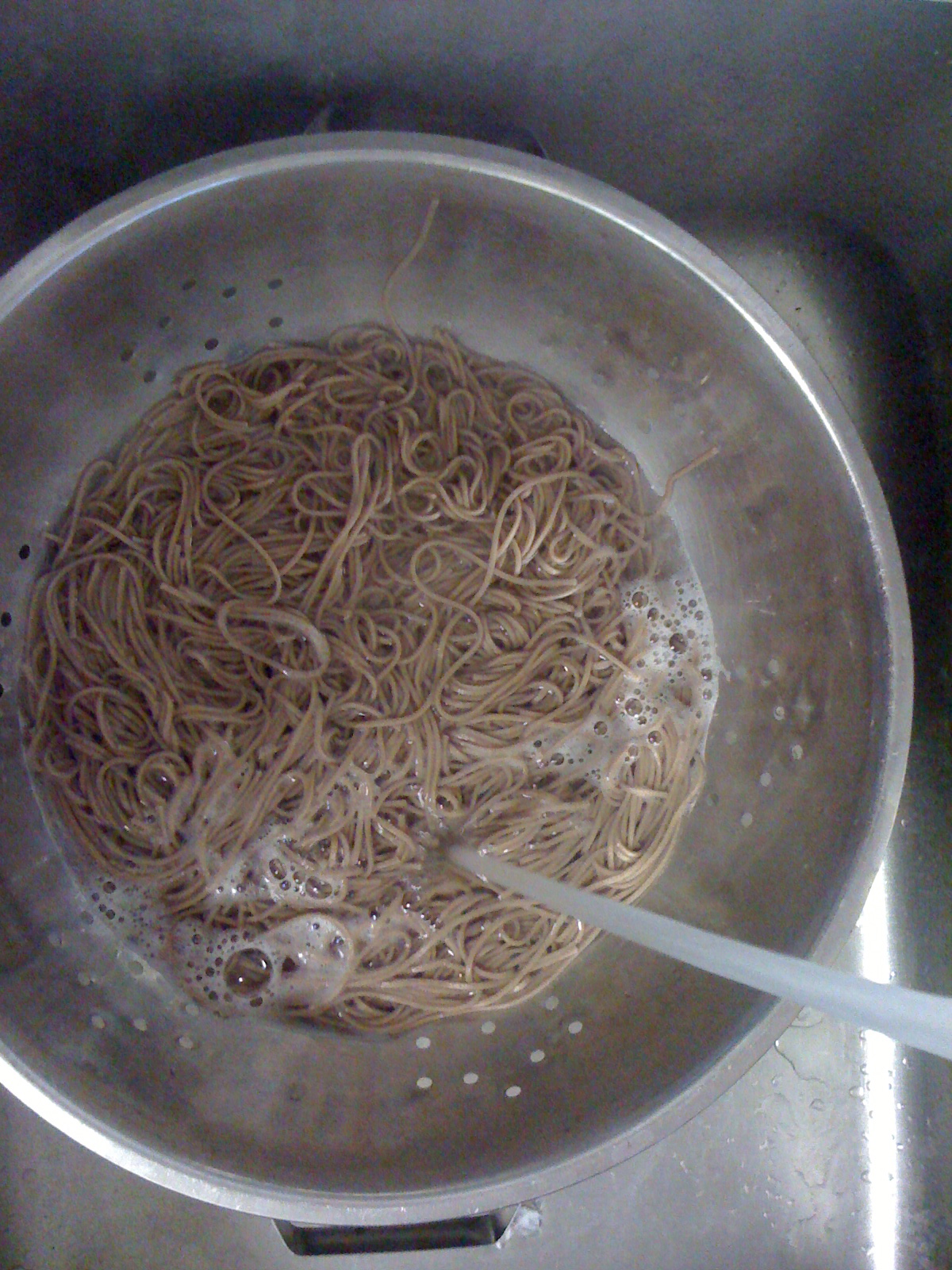
To make the zaru soba, you just cook the soba noodles the way you would pasta: bring a pot of water to boil, add the noodles, and boil for approximately 4 minutes. Drain the noodles and rinse under cold water for a couple minutes. You then place the noodles on a plate or on a zaru with some ice cubes (this is where the zaru comes in handy but it’s definitely not necessary – it just drains the melting ice cubes as you eat). You pour the dipping sauce into a small bowl, add scallions if you have them and some shiso or wasabi, and it’s time to eat.
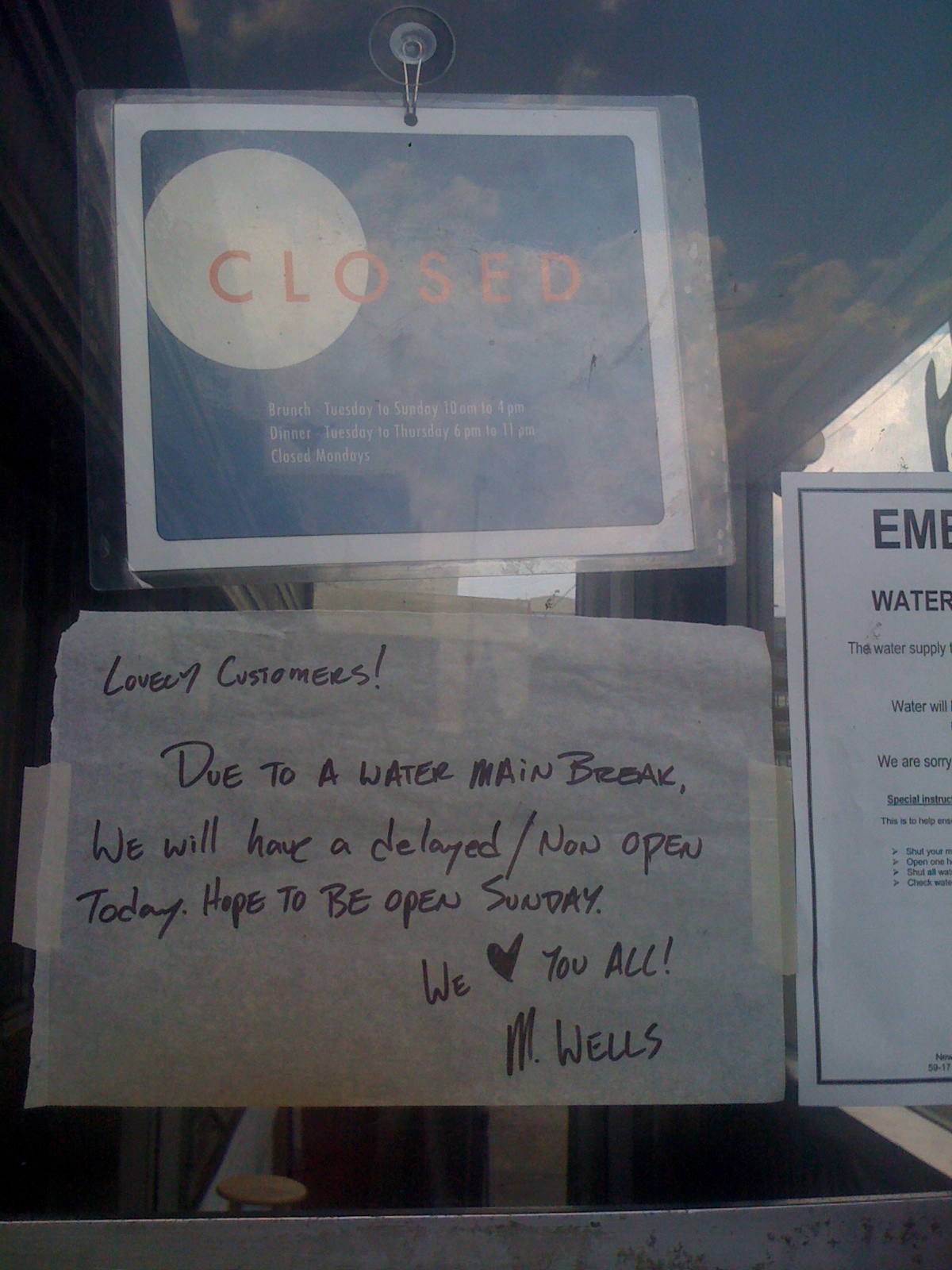
Some other photos from this weekend’s eating adventures, including Saturday morning at Blue Bottle; the McCarren Park farmer’s market; a tart from Bakeri; the courtyard at MoMA P.S. 1 in Long Island City; and a shattered foodie’s dream: M. Wells closed due to a water main break.


Pesto is all about summer. It tastes like the sun setting at 8:30 pm, like fireflies blinking in the distance, like saltwater and sand and waves. When the weather is hot, I can’t get enough.

I like experimenting with pesto. Not only can you make the traditional basil-olive oil-Parmesan-pine nuts-garlic variety, but you can substitute any number of ingredients in that list with others. For instance, arugula instead of basil, or walnuts instead of pine nuts. Yesterday it was about garlic scapes.

Garlic scapes are the curling flower stalks that grow from the bulb of garlic plants. If you’ve been to a farmers’ market recently you have likely seen these green tentacles piled high on tables. The season is very short—not to sound like Chicken Little but it will be ending soon—so scoop them up now.

They have a similar garlicky-onion taste as scallions or ramps and can be used in much the same way. I harvested heaps of basil from my little herb garden Saturday so I knew a pesto was in order. I had a big bag of scapes in my fridge that travelled with me from Kate’s garden in Vermont earlier in the week. The math was simple: scapes + basil = a delicious pesto for dinner.

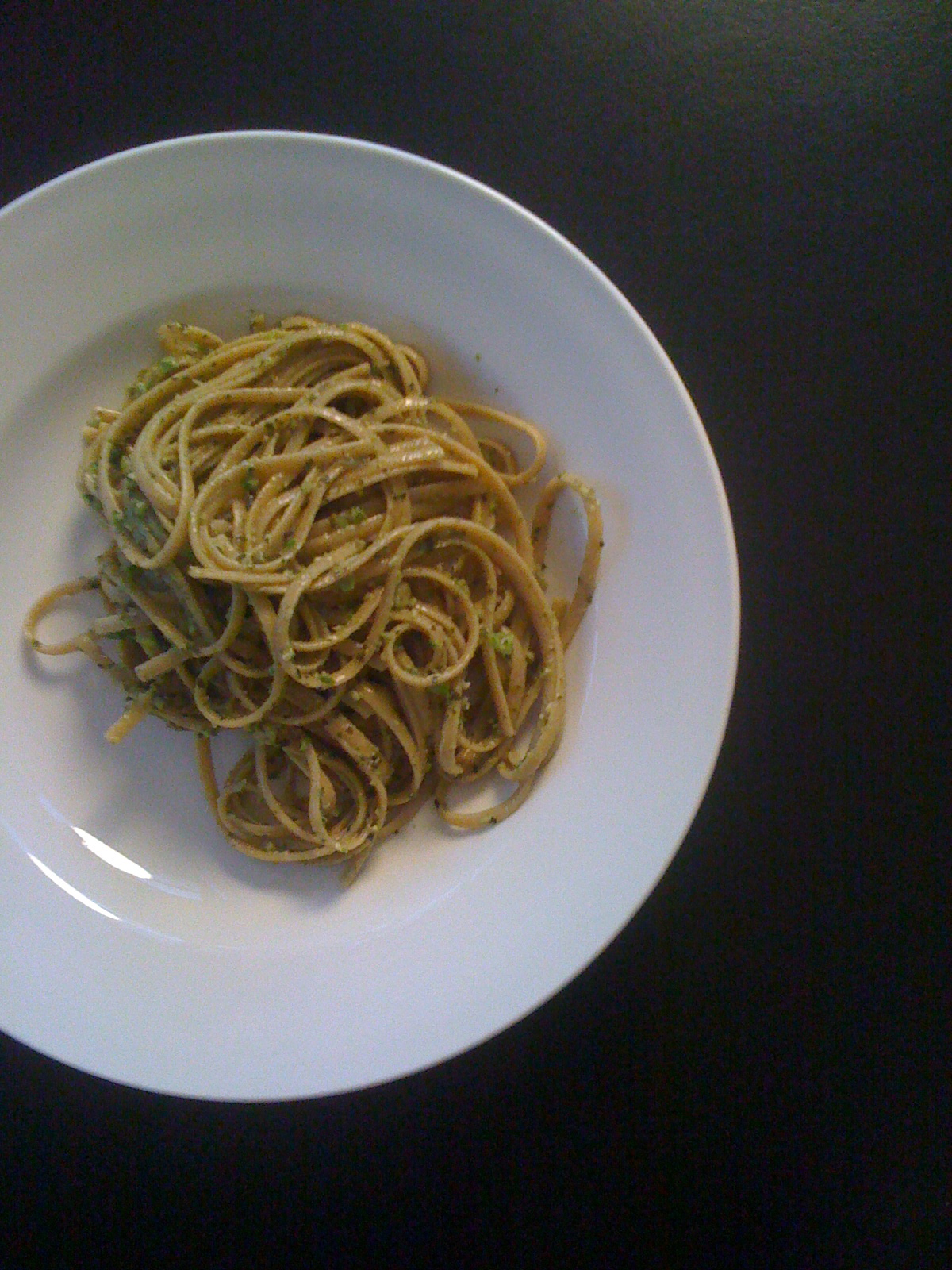
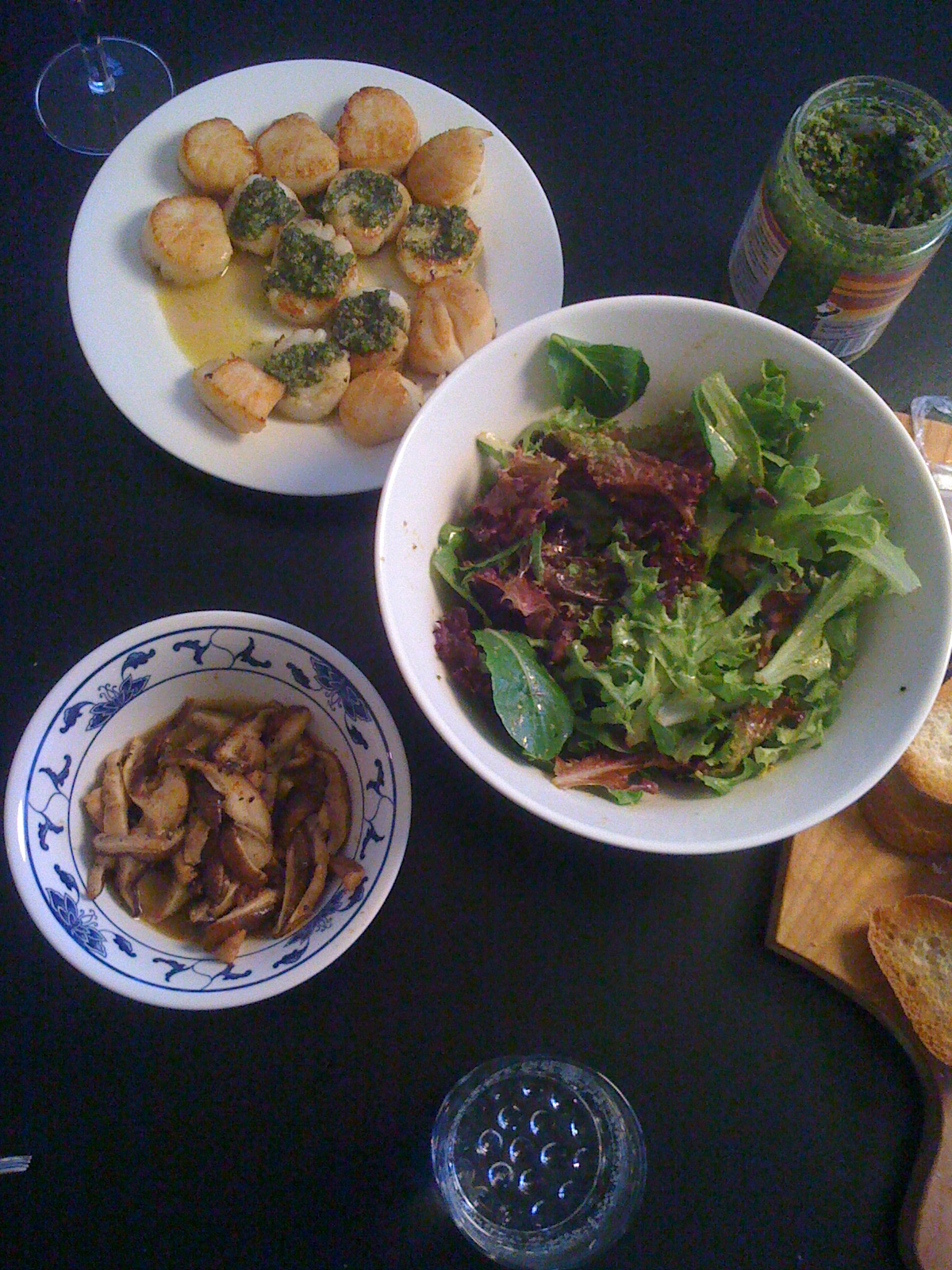
I picked up a pound of scallops (I love scallops drizzled with pesto), whole wheat linguine, and greens for a salad. Risking pesto overkill, I decided I’d serve the pesto over both the scallops and linguine. Like I said, this time of year, I can’t get enough.

Garlic Scape Pesto

5 c basil
a chunk of Parmesan (roughly 1/4 pound)
3/4 c walnuts*
5-6 stalks of garlic scapes, bottom few inches trimmed off and discarded, cut into 1-inch pieces
1/2 – 3/4 c good olive oil
salt

Makes 2 c of pesto

*You can use pine nuts in addition or instead but the price of pine nuts has soared recently and at $34 a pound I pass over pignoli for the cheaper but still flavorful walnut.

In a food processor, add the basil, Parmesan (cut into chunks), walnuts, and scapes. Start pulsing and gradually pour in the olive oil through the feeder tube. Use more or less olive oil according to your preference, same with salt. After a minute or two of pulsing you’ll have a fragrant, delicious spread for breads, pasta, vegetables, or fish. (If you have an ice cream maker: I dare you.) Blend more for smoother pesto, less for chunkier. I think it would also be nice to add the zest of 1 lemon here, but I didn’t do that this time around.

As for the scallops, I washed about 1 pound and patted them dry as much as possible, adding salt and pepper to each side, then sautéed them in a cast iron skillet in 1-2 tbsp butter for 2-3 minutes on each side.

I spent my last morning in Vermont at North Branch Farm in Ripton, up the mountain from Middlebury and a few miles from Robert Frost’s log cabin. Frost moved to Vermont in 1920 to “seek a better place to farm and especially grow apples,” and stayed for the next forty years.

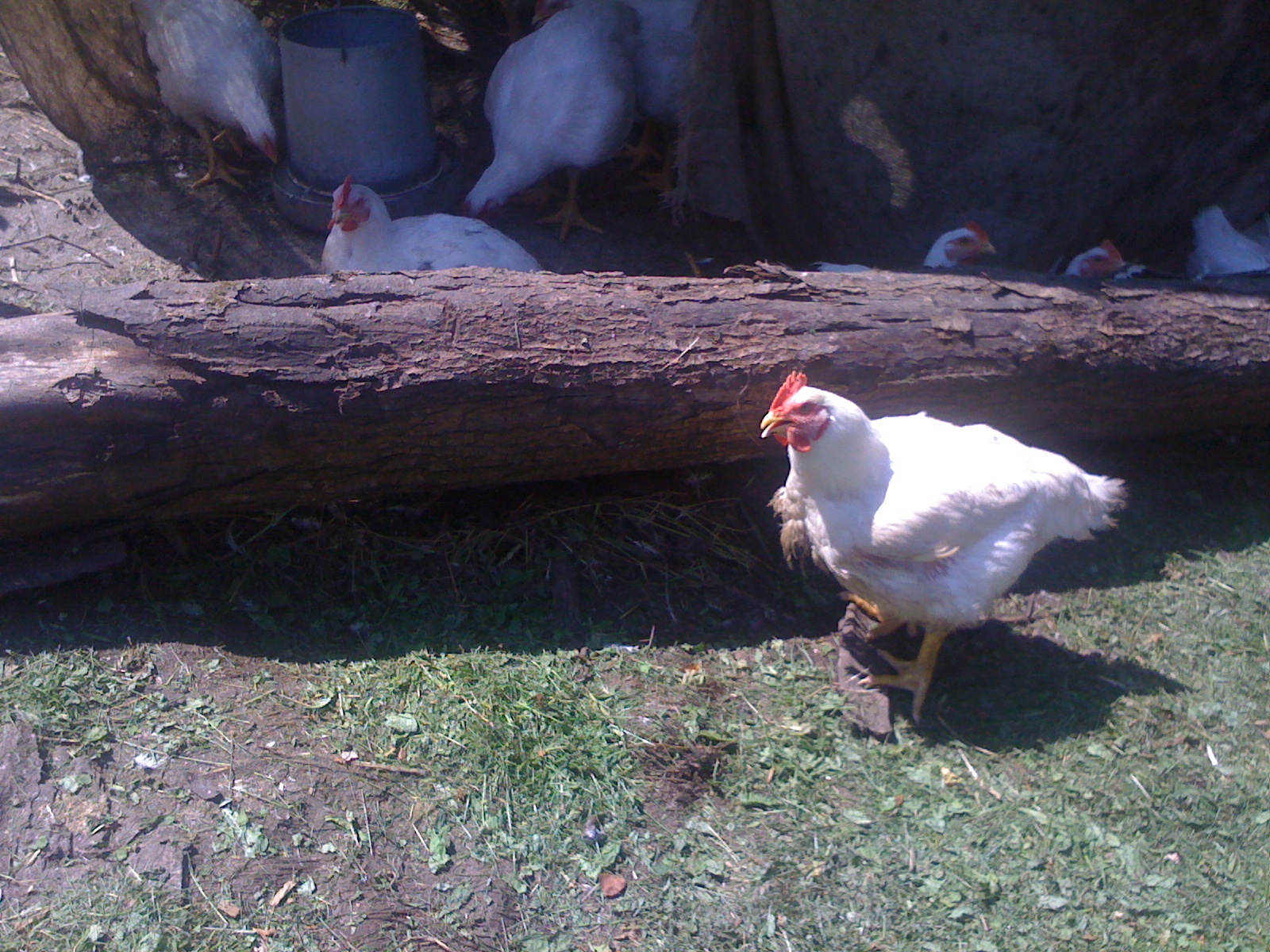
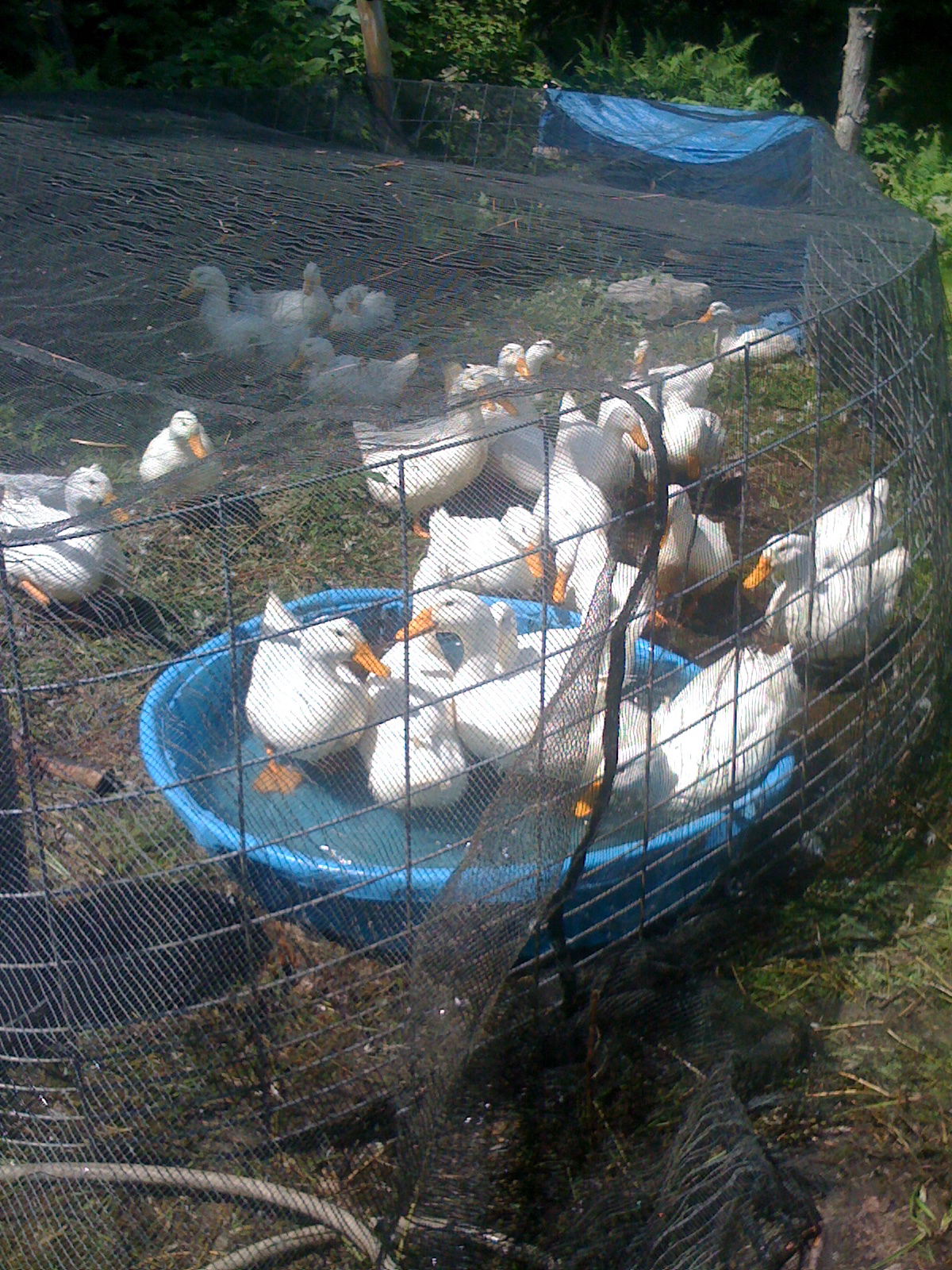
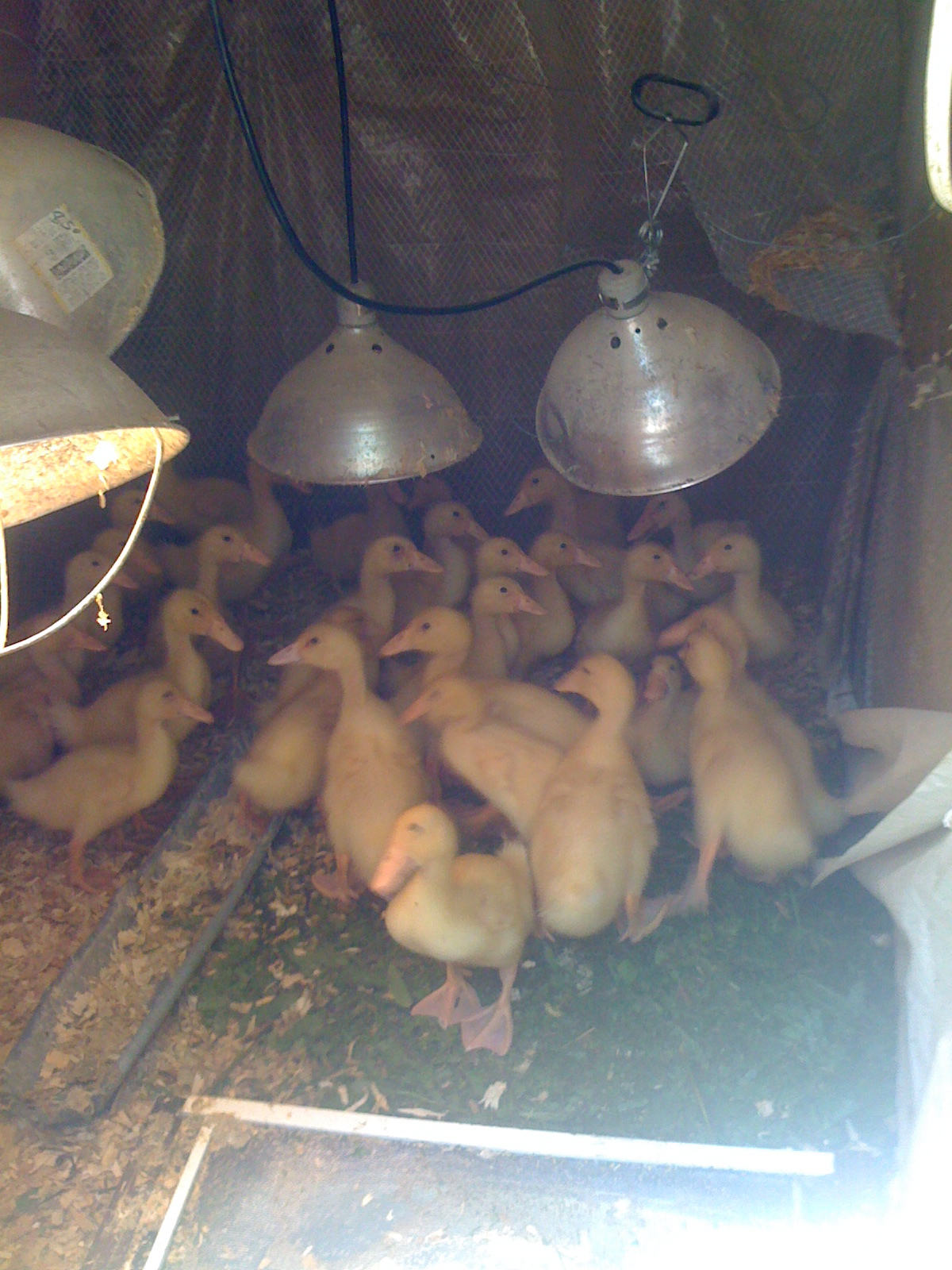
I’m not sure what else Frost grew besides apples. Kale? Chamomile? Elderberries? Garlic scapes? That’s some of what my friend Kate is growing at North Branch, in addition to raising pigs, chickens, ducks, and sheep. Kate and her partner Sebastian have been in business for around five years, selling their meat and sometimes produce at the local farmers’ markets as well as through online orders and local businesses.

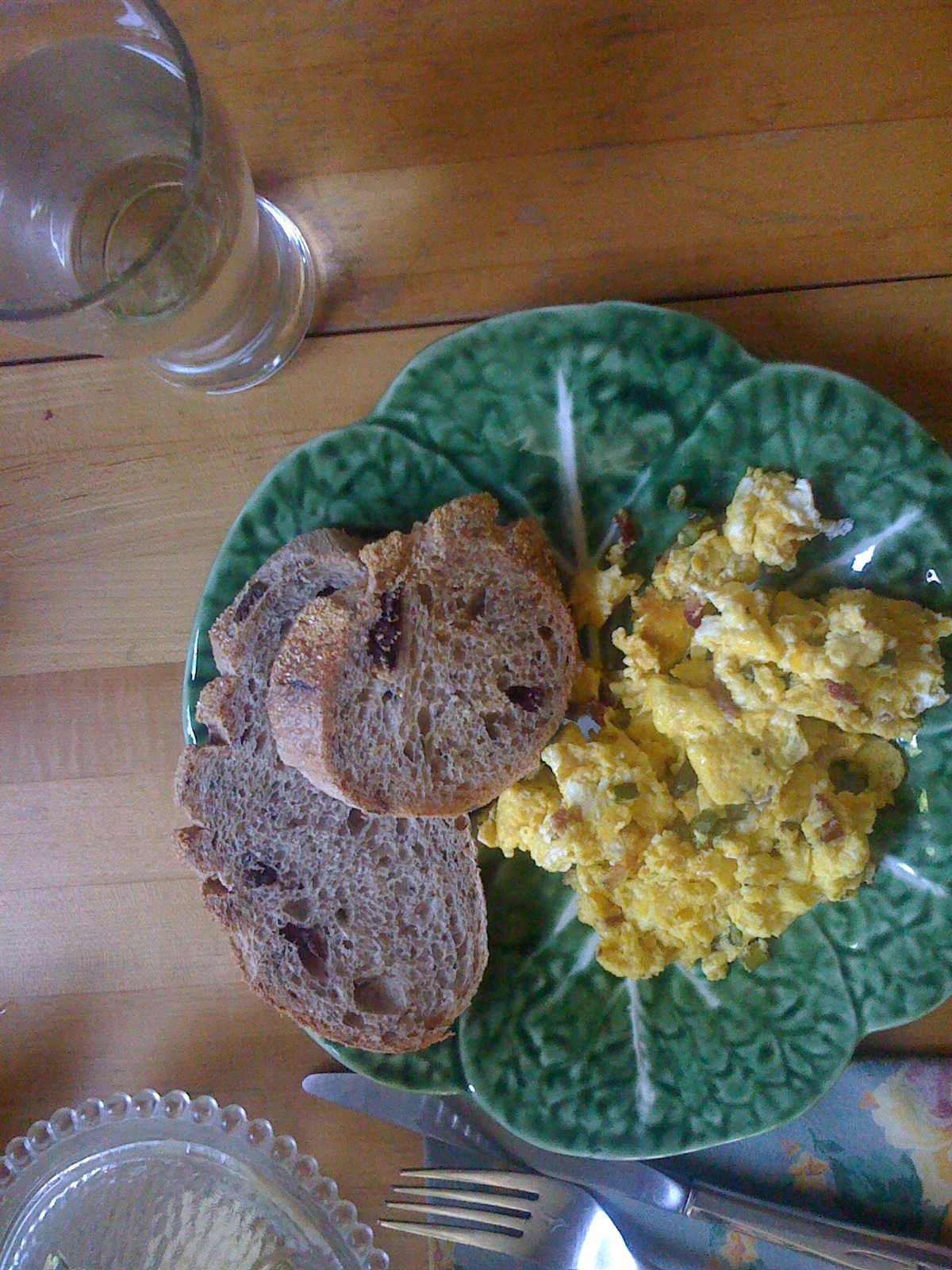
Before leaving to head back to Brooklyn today, I made a date to have breakfast on the farm with Kate, Arianna, and her two-month-old son Rafa. Kate served us her own eggs and bacon and I brought a yummy olive and rosemary bread from Otter Creek Bakery, a Middlebury institution since 1986. (It was difficult passing up the orange almond croissants, blueberry scones, and olive pretzel twists, some of my favorites from my Middlebury days.)

After breaky we were given a tour of the farm, starting with veggies, then Pekin ducks, Cornish Cross hens, pigs, ducklings, chicks, and what Kate calls her “mowers”: two sheep, new members of the North Branch Farm who are definitely earning their keep in Ripton.